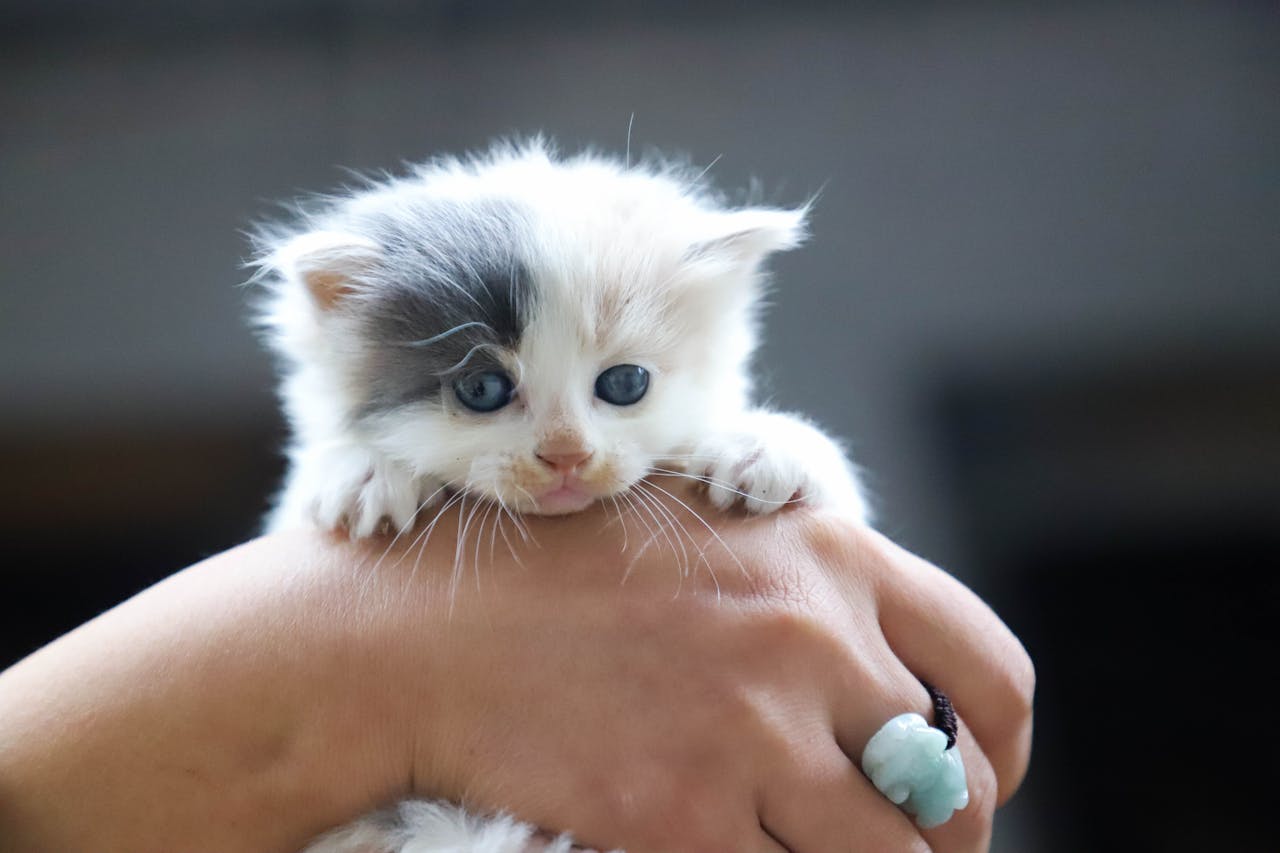
As a new kitten owner, one of the most important responsibilities you have is to ensure your furry friend receives the necessary vaccinations. Vaccines play a crucial role in protecting your kitten from various infectious diseases, some of which can be severe or even fatal. Understanding the kitten vaccine schedule is essential for maintaining your pet’s health and well-being.
Initial Vaccination Series
Kittens typically begin their vaccination series at around six to eight weeks of age. During this initial visit, your veterinarian will administer the first set of vaccines, which usually includes:
- Feline Viral Rhinotracheitis (FVR) – This vaccine protects against a common respiratory virus that can cause severe upper respiratory infections in cats.
- Calicivirus (FCV) – Another respiratory virus, calicivirus can lead to oral ulcers and respiratory issues.
- Panleukopenia (FPV) – Often referred to as feline distemper, this highly contagious virus can be life-threatening, particularly in young kittens.
These vaccines are typically combined into a single shot known as the FVRCP vaccine.
Subsequent Vaccinations
After the initial vaccinations, your kitten will require booster shots to ensure lasting immunity. The following schedule is generally recommended:
- At 10-12 weeks of age: A second dose of the FVRCP vaccine is administered.
- At 14-16 weeks of age: A third dose of the FVRCP vaccine is given, along with the first dose of the rabies vaccine, which is crucial for preventing rabies, a fatal disease that can affect both animals and humans.
Finalizing the Vaccination Series
Once your kitten reaches around 16 weeks of age, they will have completed their initial vaccination series. However, it is important to continue regular veterinary check-ups and follow-up vaccinations as recommended by your veterinarian.
Annual Boosters
After the initial series, your kitten will require annual booster shots to maintain their immunity. These boosters typically include the FVRCP and rabies vaccines. Your veterinarian may also recommend additional vaccines based on your kitten’s lifestyle and risk factors, such as the feline leukemia virus (FeLV) vaccine, especially for kittens that will be exposed to outdoor environments or other cats.
Conclusion
Following a proper vaccination schedule is vital for your kitten’s health and longevity. By ensuring your kitten receives their vaccinations on time, you are taking proactive steps to protect them from serious diseases. Always consult with your veterinarian for personalized advice and to address any questions or concerns regarding your kitten’s health and vaccination needs. A healthy start will lead to a happy and vibrant life for your new feline companion.